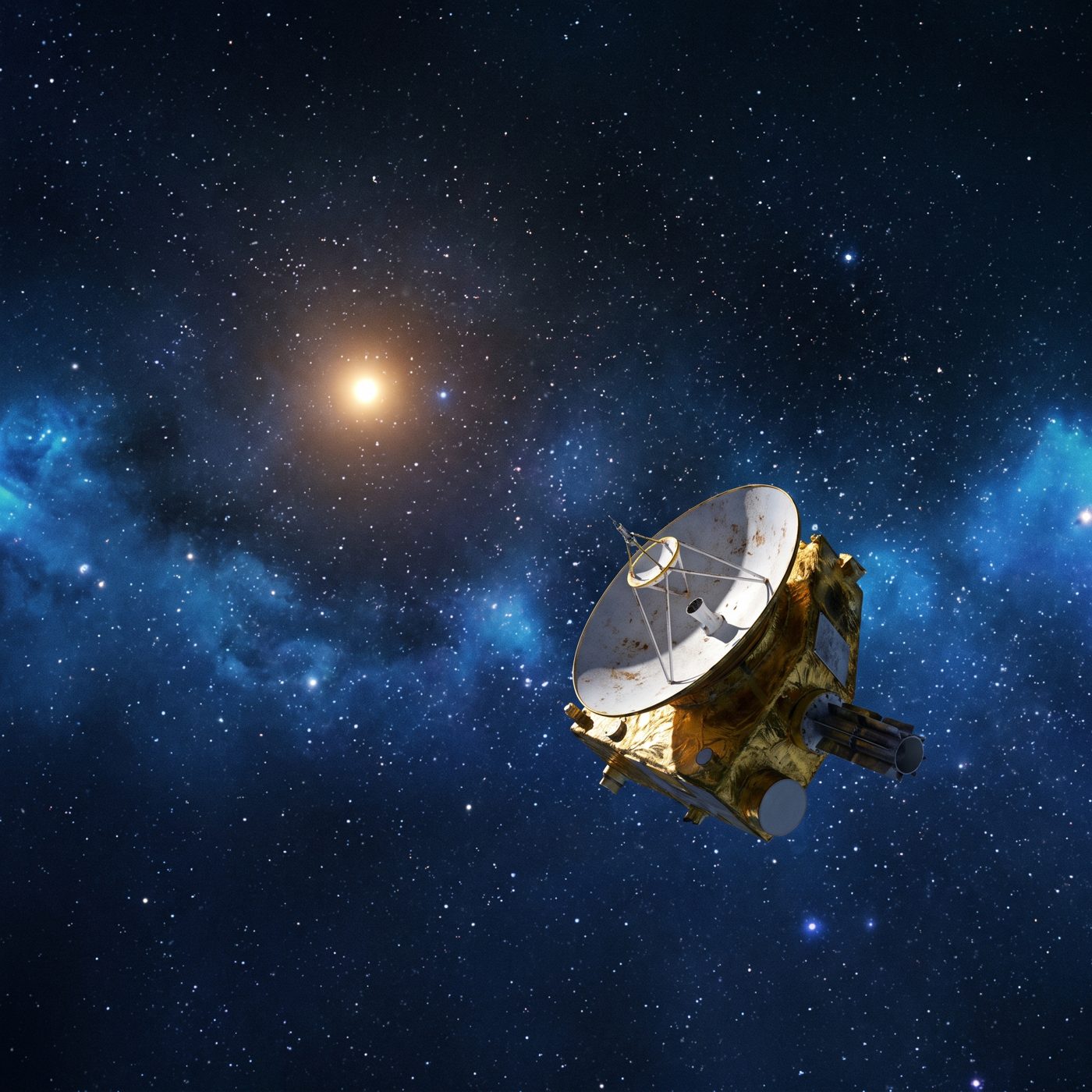
The Space Station crosses 5 miles every second — fast enough to lap the entire planet 16 times before you finish a single day on Earth.
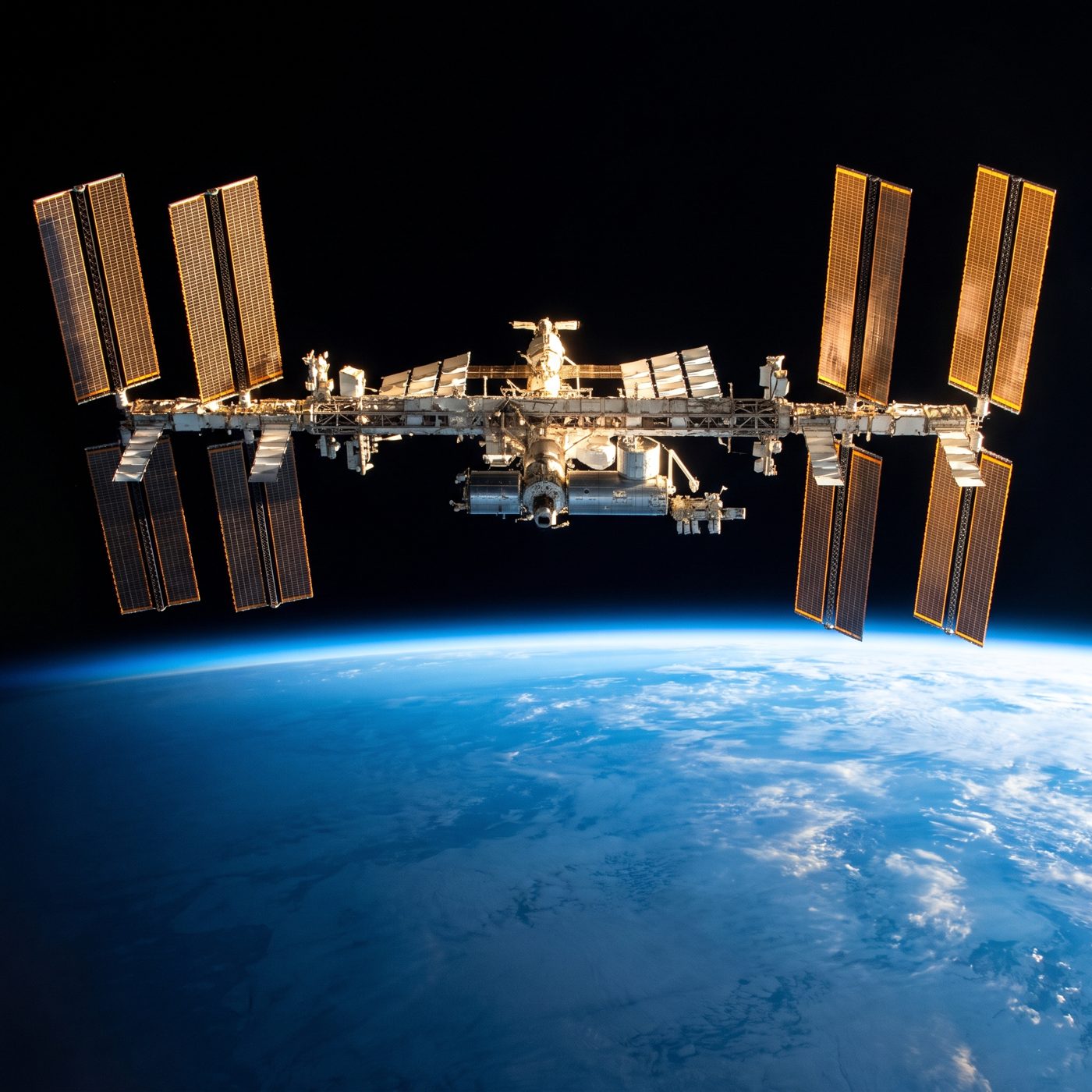 ILLUSTRATION · AI
The International Space Station moves at about five miles per second, completing an orbit roughly every 90 minutes and circling Earth 16 times a day.
Right now, some 250 miles above your head, seven people are moving at about five miles per second. That's roughly 17,150 miles per hour — fast enough that the International Space Station loops the entire planet in about 90 minutes and racks up 16 orbits in a single 24-hour day. While you eat breakfast, lunch, and dinner, the crew watches the sun rise and set 16 times each.
NASA states the figures plainly in its "International Space Station Facts and Figures" reference, published in 2024: the international crew lives and works "while traveling at a speed of five miles per second, orbiting Earth about every 90 minutes," and "in 24 hours, the space station makes 16 orbits of Earth, traveling through 16 sunrises and sunsets."
Why the Space Station has to move so fast
The speed isn't a design choice for thrills — it's the price of staying in orbit at all. An orbit is really a kind of controlled falling. The station is constantly being pulled toward Earth by gravity, but it's also moving sideways so quickly that it keeps missing the ground. Slow it down, and it would spiral in and burn up. Speed it up too much, and it would fling itself into a higher orbit or off into space entirely. At the station's altitude, the number that balances those forces is close to five miles a second.
Cool Cosmos, the astronomy education site run by IPAC at Caltech with NASA funding, breaks down the same math in more granular terms: the station travels at roughly 17,150 miles per hour, about five miles every second, and completes one full lap of the planet in around 92 minutes. Do that arithmetic across a day and you land right at NASA's headline count of 16 orbits.
To put five miles per second in earthly terms: in the time it takes to read this sentence aloud, the station has crossed the distance from downtown to the far suburbs of most cities. A rifle bullet leaves the muzzle at something like half a mile per second. The ISS is moving about ten times faster than that, continuously, without ever slowing down.
How the numbers can be exact and still rounded
Here's the seam worth noticing. "16 orbits" is a clean, memorable figure — the kind that fits a caption. But it's a rounded one. If a single orbit takes about 92 minutes, then a 1,440-minute day actually yields something closer to 15.7 orbits, not a tidy 16. NASA's own "about every 90 minutes" language is doing the same gentle rounding on the other end.
Both descriptions are true; they're just aimed at a person, not a mission planner. The station's real orbital period drifts, too. The ISS doesn't hold one fixed altitude. It slowly loses height as it plows through the faint traces of atmosphere that still exist at 250 miles up, and periodically fires thrusters — or borrows a push from a visiting spacecraft — to boost itself back up. Each of those adjustments nudges the exact speed and the exact time per orbit.
That's why NASA and Caltech both hedge with words like "about" and "roughly." The five-miles-per-second figure and the 90-minute orbit are honest, well-measured averages, verified against real-time telemetry that ground controllers watch constantly. But there is no single frozen number, because the station itself is never frozen — it's falling, drifting, and being nudged back into place, day after day, 16 sunrises at a time.
So the next time someone tells you the ISS circles Earth exactly 16 times a day, you can agree — and then point out that the truer figure is a slightly restless 15.7, and that the difference is the whole story of how an object stays in the sky.
- Tier 1 · Primary2024
More facts
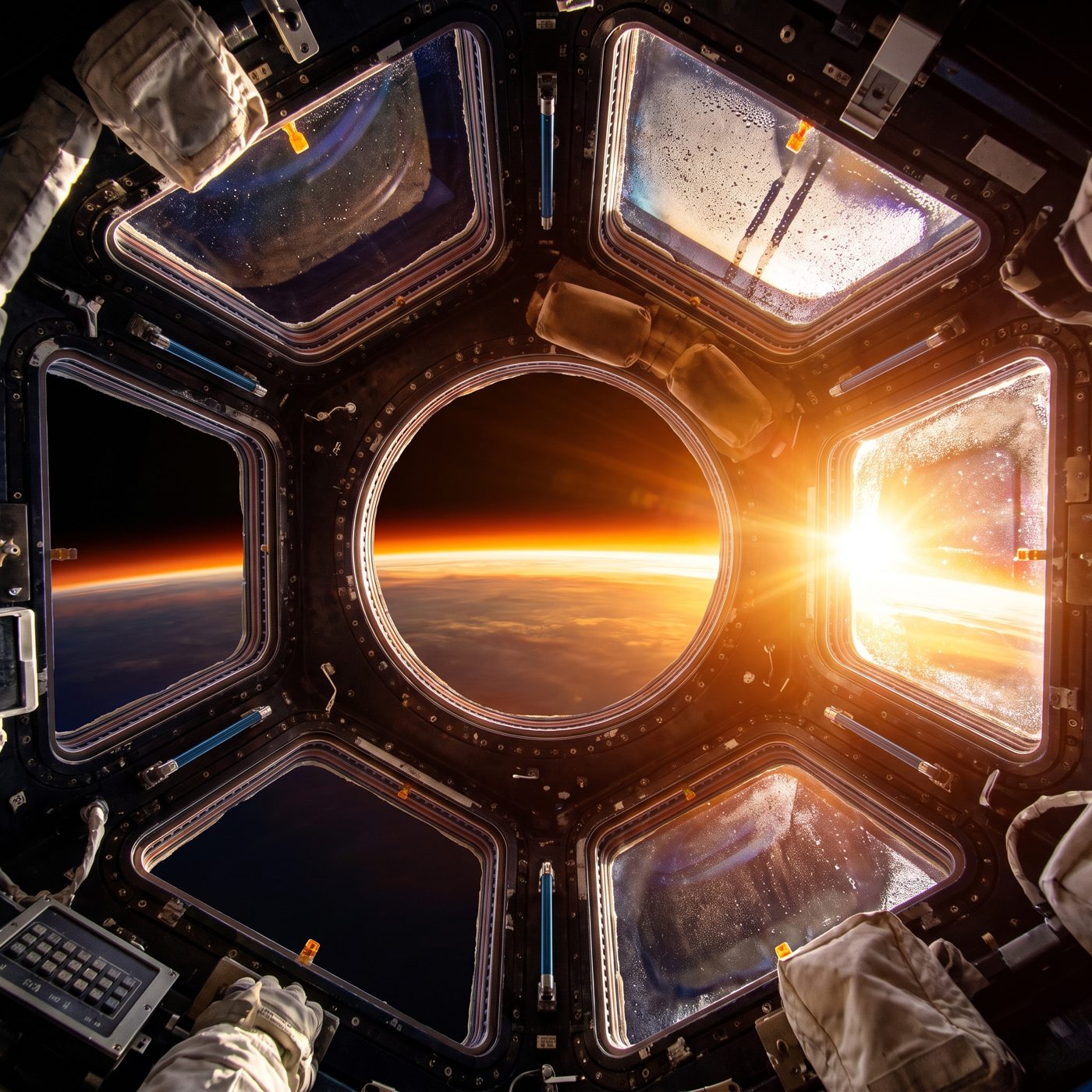
Astronauts on the International Space Station watch 16 sunrises and 16 sunsets every single day — one every 90 minutes.
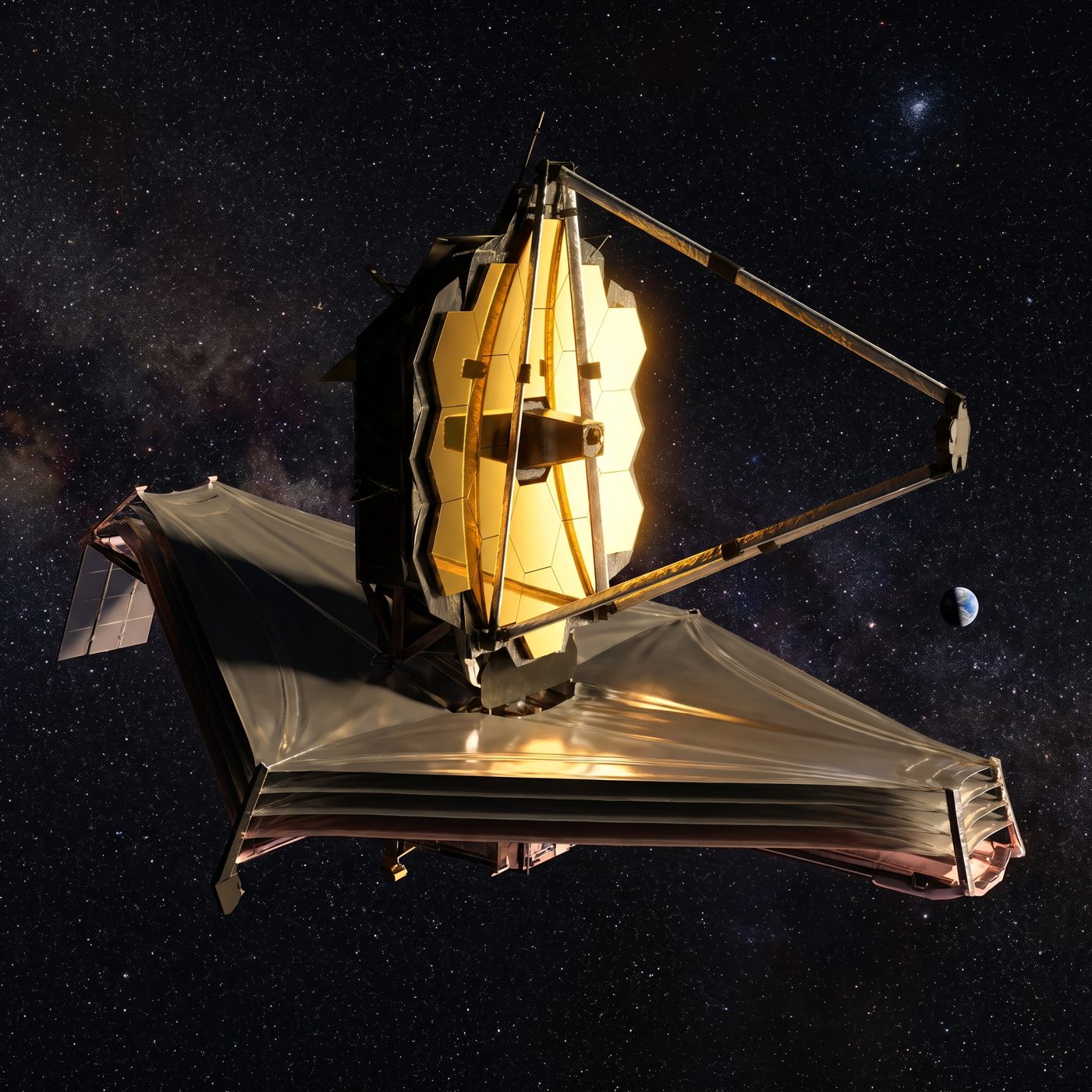
The James Webb telescope doesn't orbit Earth. It circles a point in empty space 1 million miles away, on the far side from the Sun.