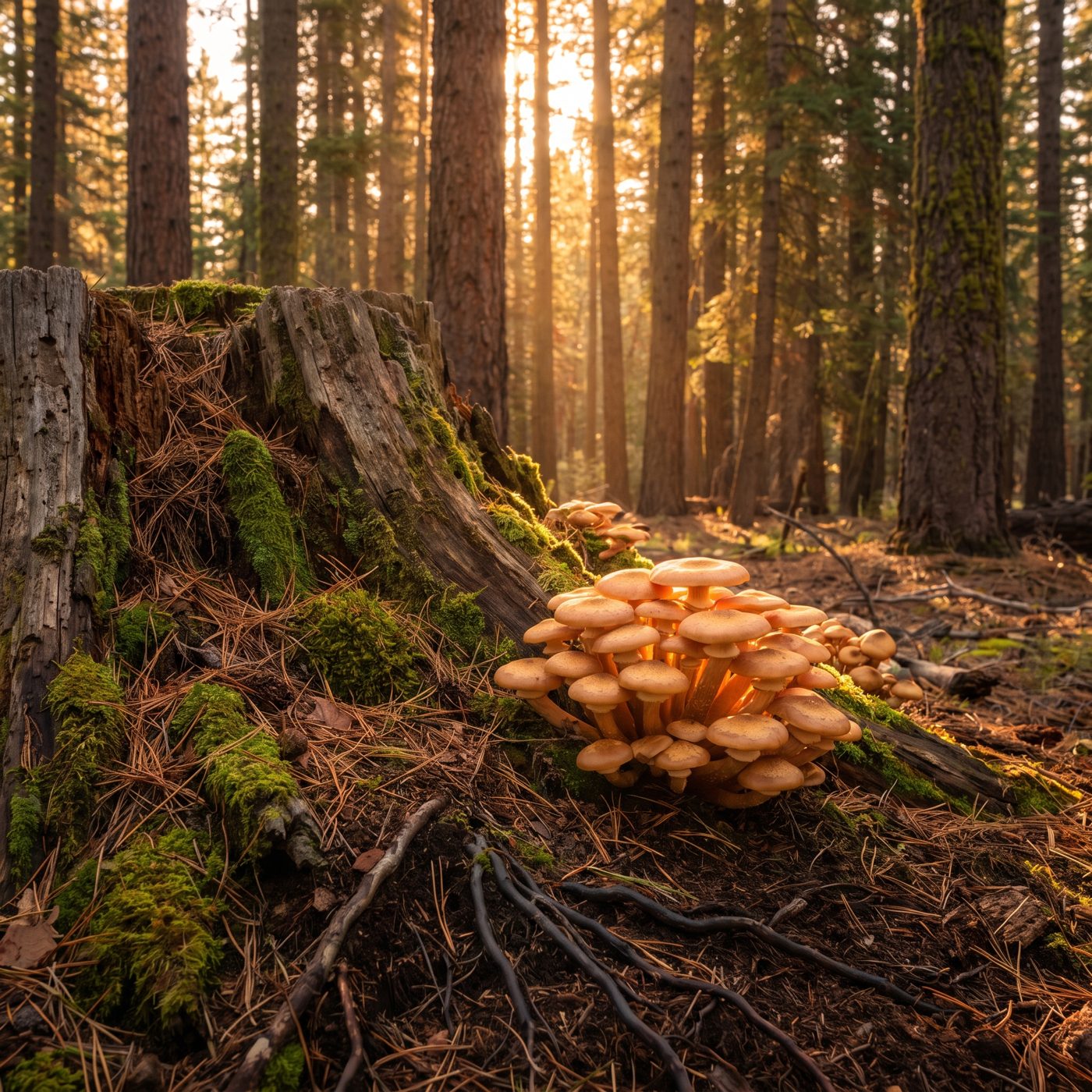
This 106-acre forest in Utah's Fishlake is a single tree — 40,000 trunks sharing one root system, one identical set of genes.
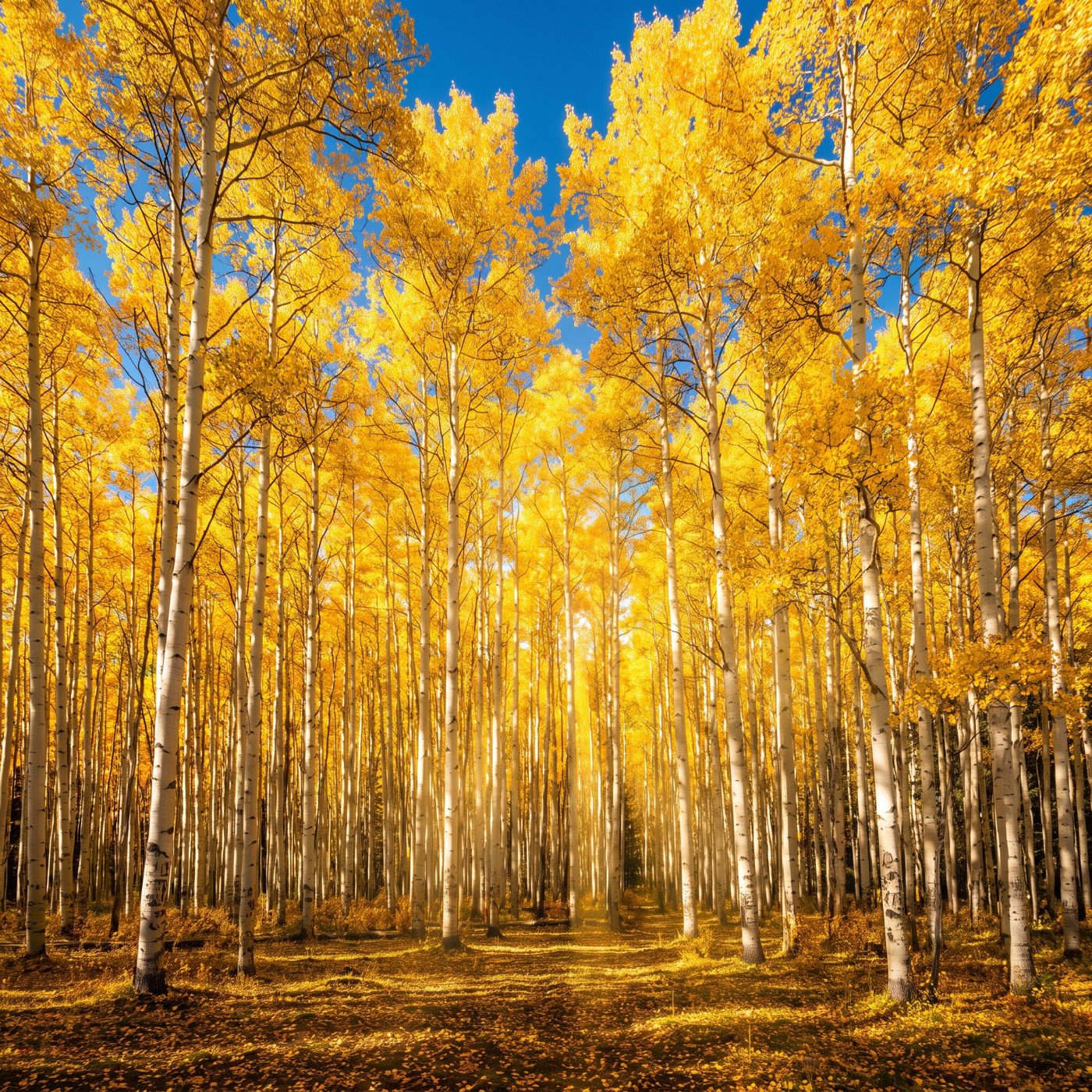 ILLUSTRATION · AI
A 106-acre stand of quaking aspen in Utah's Fishlake National Forest is one genetically identical organism — some 40,000 trunks growing from a single root system.
Walk through the aspen stand near Fish Lake in central Utah and you appear to be surrounded by a forest — tens of thousands of pale-barked trunks, each shivering in the wind. You are actually standing inside a single living thing. The trees are not individuals but stems, all sprouting from one enormous shared root system, all carrying the same genome. The organism has a name: Pando, Latin for "I spread." The U.S. Forest Service, which manages the site in Fishlake National Forest, describes it as spreading over 106 acres and consisting of over 40,000 individual trees.
How do you prove a whole forest is one tree?
The case rests on genetics, and the definitive test came in 2008. Jennifer DeWoody, Carol Rowe, Valerie Hipkins, and Karen Mock published "'Pando' Lives: Molecular Genetic Evidence of a Giant Aspen Clone in Central Utah" in the Western North American Naturalist (volume 68, issue 4, pages 493–497). The title was pointed. Pando had long been *claimed* to be a single clone, but the claim needed hard confirmation, and earlier work had left room for doubt about whether the stand was truly one genet or a mosaic of several.
The team laid a 50-meter sampling grid across the putative clone and collected tissue from 209 stems distributed throughout it. They then analyzed each sample at seven microsatellite loci — stretches of repetitive DNA that vary reliably between distinct individuals and act as a molecular fingerprint. If Pando were several organisms, the fingerprints would sort into several groups. They did not. The 209 stems returned a single genetic entity, and the genetic boundary of that individual matched the boundary drawn earlier from the trees' physical characteristics. What looked like one organism, and had been mapped as one organism, was one organism.
Why quaking aspen can do this at all
Quaking aspen (*Populus tremuloides*) reproduces two ways. It can make seeds, but across much of the American West conditions for aspen seedlings are so rarely favorable that most reproduction happens underground. A single aspen sends up new stems — called ramets — from its lateral roots, cloning itself outward across the terrain. Each new trunk is genetically identical to the parent because it *is* the parent, extended. Given enough time and the right soil, one seedling can become a stand covering acres. Pando is what that process looks like at an extreme.
The scale is easier to feel with a concrete figure. At roughly 43.6 hectares, or about 106 acres, Pando's connected root network makes it one of the most massive known single organisms on Earth by land area — a lattice of woody roots binding the entire stand into a shared body, with each above-ground trunk essentially a temporary limb that lives, dies, and is replaced while the underground organism persists.
That persistence raises the question the genetics can't settle. Pando is frequently called thousands of years old, and it may well be — a clone can far outlive any individual stem. But the DeWoody team's work established Pando's *identity*, not its age; dating a clone that constantly regrows its visible parts is genuinely hard, and published age estimates range enormously. Meanwhile Forest Service and university researchers have flagged a more urgent problem: Pando is struggling to replace itself, with browsing deer and elk eating young shoots before they can mature, so that few new stems are surviving to adulthood. The largest single organism many of us will ever stand inside is, by most accounts, aging without a next generation coming up beneath it. Whether it can be saved — and how old it truly is — remain open.
More facts
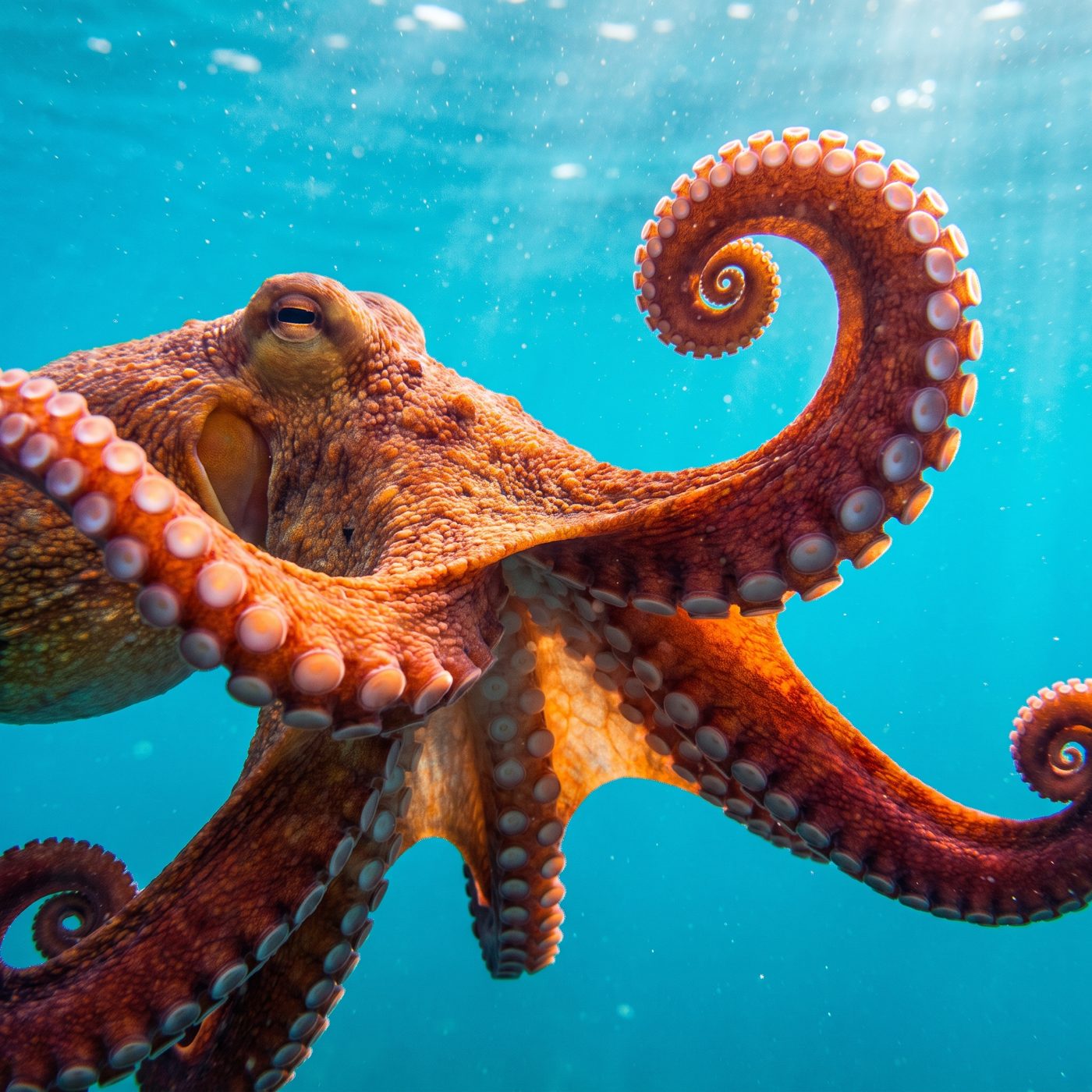
Octopus blood carries oxygen on copper, not iron — and a 2001 study showed it runs colorless until oxygen turns it blue.
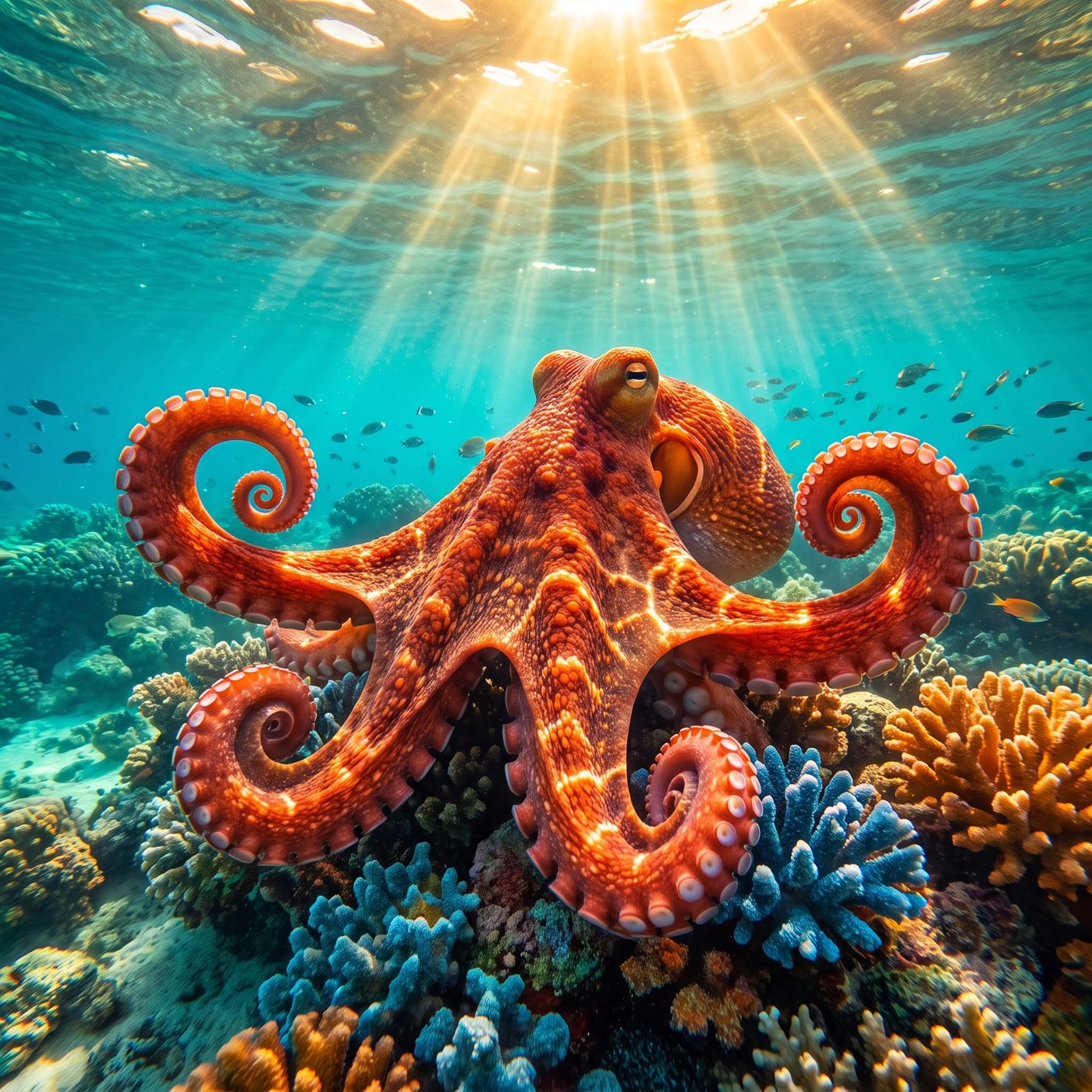
Cut every nerve from an octopus brain to its hearts, and all three keep beating — in 1980 M. J. Wells found they run without the brain.